How to Care for Your Dental Implants: Tips for Long-Term Success


When you invest in dental implants, you’re not just choosing a solution for missing teeth; you’re embracing a new chapter of confidence and health. These innovative fixtures provide a strong foundation for artificial teeth, allowing you to eat, speak, and smile without worry. However, to truly enjoy the benefits of your implants, you must commit to proper care and maintenance.
Caring for your dental implants might seem daunting at first, but it doesn’t have to be! With the right practices and a little know-how, you can ensure they last for years to come. From effective oral hygiene routines to regular dental visits, every small step contributes to the long-term success of your implants. In this guide, we’ll explore essential tips and strategies to keep your dental implants in top shape. Ready to learn how to maximize your investment? Let’s dive in!
Getting to Know Your Dental Implants
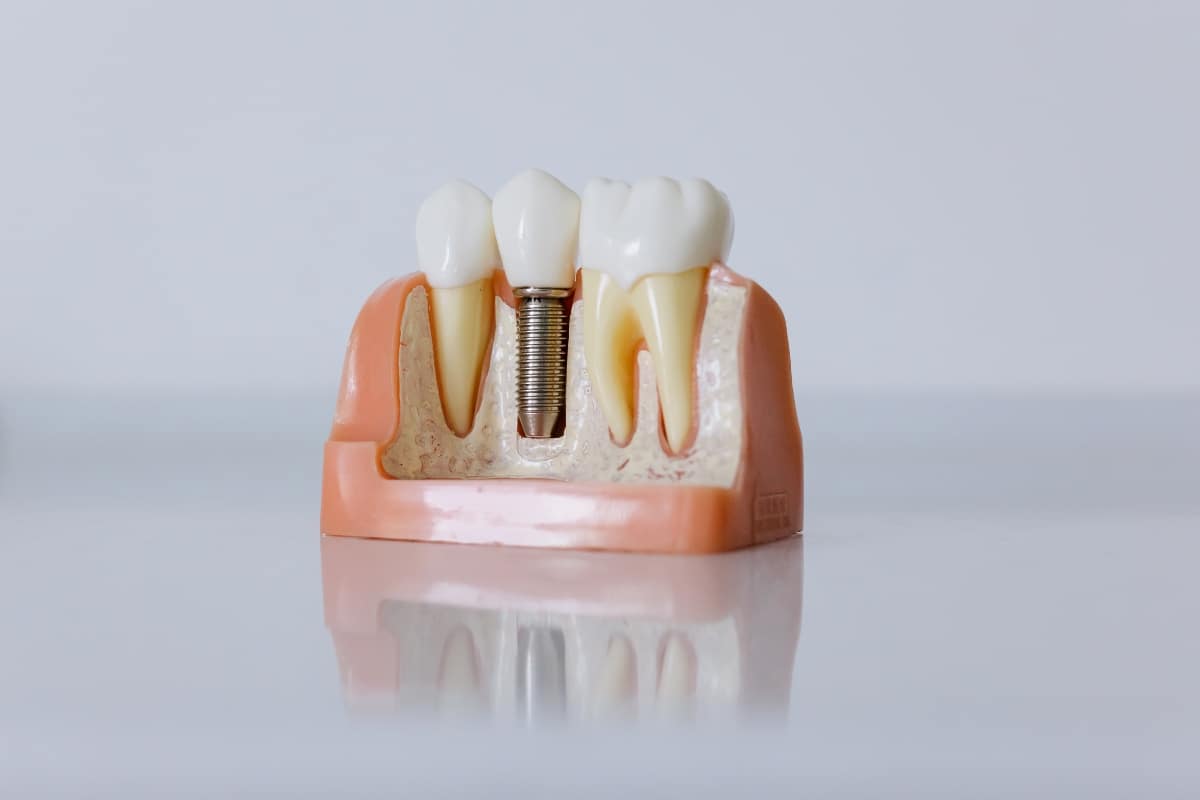
Understanding your dental implants is the first step toward successful care. These fixtures function as artificial tooth roots, securely anchoring replacement teeth in place. They consist of three main parts: a titanium post, an abutment, and a crown. The titanium post integrates with your jawbone, providing stability and support.
Types of Dental Implants:
- Endosteal Implants: These are placed directly into the jawbone and are the most common type.
- Subperiosteal Implants: These sit on top of the jawbone but beneath the gum tissue, often used for patients with minimal bone height.
- Zygomatic Implants: These are anchored in the cheekbone and are typically used in complex cases where traditional implants may not be feasible.
Understanding these basics helps you appreciate the importance of proper care and maintenance to ensure their longevity and effectiveness.
Essential Oral Hygiene for Implants
Maintaining impeccable oral hygiene is crucial for the success of your dental implants. Implants require care similar to natural teeth, but with some specific techniques.
Brushing and Flossing Techniques:
- Brush Twice Daily: Use a soft-bristled toothbrush to avoid damaging gum tissue. Focus on all surfaces, including around the implant.
- Floss Daily: Employ a floss designed for implants or a water flosser to clean around the abutment and gumline effectively.
Recommended Products:
- Toothbrush: Choose a soft-bristled brush or an electric toothbrush for gentle cleaning.
- Toothpaste: Use non-abrasive toothpaste to protect the implant surface.
- Floss: Select implant-specific floss or floss threaders to navigate around the post comfortably.
These practices help prevent plaque buildup and keep your gums healthy.
The Importance of Regular Dental Visits
Routine dental check-ups play a vital role in maintaining your dental implants and overall oral health. Regular visits allow your dentist to monitor your implants and address any concerns early.
What to Expect:
- Initial Check-Up: During your first visit post-implant, your dentist will assess the healing and the stability of your implants.
- Ongoing Monitoring: Subsequent check-ups will involve checking for signs of infection, bone loss, or gum issues.
Why Routine Visits Matter:
- Early Detection: Regular visits help catch any potential problems before they escalate.
- Professional Cleaning: Your dentist can perform deep cleanings that are essential for preventing peri-implantitis, an infection around the implant.
Staying on top of your dental appointments sets you up for long-term success.
Diet Tips for Optimal Implant Care
What you eat significantly impacts the longevity and success of your dental implants. A balanced diet supports oral health and helps prevent complications.
Foods to Avoid:
- Hard Foods: Stay away from hard candies or ice, which can fracture your crown.
- Sticky Foods: Limit sticky candies or gum that can pull at the implant and loosen it over time.
- Sugary Foods: Reduce sugar intake to minimize the risk of cavities around the implant area.
Recommended Foods:
- Fruits and Vegetables: Crunchy fruits and veggies promote gum health.
- Dairy Products: Calcium-rich foods support jawbone density.
- Lean Proteins: Foods like fish and chicken help repair and strengthen tissues.
Adopting a mindful diet encourages a healthier mouth and happier implants.
Addressing Discomfort and Common Issues
Experiencing discomfort after dental implant placement can be concerning, but it’s often manageable. Knowing what to watch for helps ensure your peace of mind.
Common Issues to Watch For:
- Mild Discomfort: It’s normal to experience some soreness after the procedure; over-the-counter pain relief can help.
- Swelling: Some swelling may occur but should subside within a few days.
When to Contact Your Dentist:
- Persistent Pain: If pain lasts longer than a few days, consult your dentist.
- Signs of Infection: Look out for unusual swelling, fever, or discharge.
Addressing issues promptly can save you from complications down the road.
Lifestyle Changes for Implant Success
Lifestyle choices greatly influence the success of your dental implants. Simple changes can enhance your oral health and overall well-being.
Avoid Tobacco:
- Impact on Healing: Smoking can impede healing and increase the risk of implant failure. Quitting tobacco improves your dental health and overall quality of life.
Healthy Lifestyle Benefits:
- Regular Exercise: Staying active enhances blood circulation, promoting healing.
- Balanced Diet: As mentioned earlier, a nutritious diet strengthens your body’s defenses.
Making these changes fosters a healthier environment for your implants.
Long-Term Care for Your Dental Implants
Ensuring the longevity of your dental implants requires ongoing commitment. A consistent care routine plays a significant role in maintaining your oral health.
Tips for Longevity:
- Establish a Routine: Brush and floss daily, and don’t skip dental check-ups.
- Stay Educated: Keep learning about proper implant care and advancements in dental health.
Positive Dental Habits:
- Model Good Behavior: Encourage family members to practice good oral hygiene, creating a supportive environment.
- Celebrate Progress: Acknowledge milestones in your oral health journey to stay motivated.
Caring for your dental implants is a journey that requires attention and commitment. By following these tips and maintaining good habits, you can enjoy the benefits of your implants for years to come. Remember, each step you take toward proper care not only enhances the longevity of your implants but also promotes overall oral health. So, stay proactive, celebrate your successes, and don’t hesitate to reach out to your dentist for guidance along the way!