Risk Factors for Gum Disease: Are You at Risk?

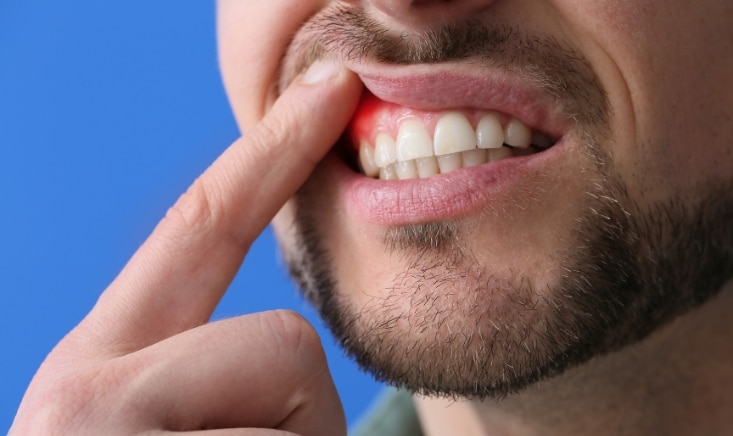
Are you possibly suffering from gum disease? It manifests in two stages: gingivitis and periodontitis. Understanding the risk factors for gum disease is crucial for prevention, and early detection can help avoid painful and costly dental treatments. By recognizing these factors, you can take proactive steps to protect your gums and overall oral health.
Read this blog to understand the risk factors of this dental condition.
What Is Gum Disease?
This is an infection of the gums caused by bacterial plaque buildup. It progresses in stages: The earliest stage is characterized by red, swollen gums that bleed easily when brushing or flossing.
If left untreated, gingivitis can advance to periodontitis, where the infection spreads deeper, causing gum recession, bone loss, and even tooth loss. Some symptoms include bleeding gums, persistent bad breath, receding gums, and loose or shifting teeth.
Recognizing these symptoms early and addressing the underlying causes can protect you from further damage to your oral health.
What Are The Key Risk Factors for Gum Disease?
Here are the key factors that might compel you to seek gum disease treatment in Reston;
Oral Hygiene
Failing to brush and floss regularly builds a sticky film of bacteria along the gumline. Over time, plaque hardens into tartar, which can only be removed by a dental professional. Habits like smoking and alcohol can also make you prone to this condition.
Genetics
You might have a genetic predisposition to gum disease, making you more susceptible even with good oral practices. If you have a family history of periodontal disease, regular dental check-ups and a diligent oral care routine are essential.
Health Conditions
Diabetes weakens your immune system and increases the risk of infections, including gum disease. Your uncontrolled diabetes is more likely to experience gum inflammation and slow healing.
Hormonal Changes
Hormonal fluctuations during pregnancy, menopause, or puberty can make your gums more sensitive and prone to inflammation. Pregnant women, in particular, may develop “pregnancy gingivitis,” which requires extra attention to oral hygiene and professional care.
Medications
Certain medications, such as antihistamines, antidepressants, and blood pressure drugs, can reduce your saliva flow. Saliva helps wash away bacteria and neutralize acids. If you take medications that cause dry mouth, drinking more water and using saliva substitutes can help maintain oral moisture.
How to Reduce Your Risk of Gum Disease?
While some risk factors, like genetics, are beyond your control, many can be managed through lifestyle changes and good oral hygiene practices.
- Brush your teeth twice a day with fluoride toothpaste. Floss daily to remove plaque between teeth and along the gumline.
- Routine dental check-ups and professional cleanings can remove tartar and detect early signs of gum disease. The dentist can recommend personalized strategies.
- If you smoke, quitting is one of the best things you can do for your gums. Nicotine replacement therapy and professional support can help you break the habit.
- Limit having sugary and processed foods. Consume foods rich in Vitamin C and Vitamin D to strengthen gums.
- Drink plenty of water to keep your mouth hydrated and wash away bacteria.
If you have diabetes or other medical conditions, work with a healthcare provider to keep them under control. Managing your overall health can significantly reduce your risk of gum disease.
When to See a Dentist?
Early intervention is key to preventing severe gum disease. See a dentist if you experience:
- Persistent bad breath
- Bleeding, swollen, or receding gums
- Loose teeth or painful chewing
Ignoring these signs can put you through serious complications, including tooth loss and systemic health issues.
Gum disease is preventable with proper care and lifestyle choices. By understanding and addressing risk factors, you can protect your gums and maintain overall oral health. Prioritize daily brushing and flossing, eat a balanced diet, and schedule regular dental visits.
Do you notice any alarming signs? Contact us to get the necessary treatment today!