The Lifespan of Dental Implants: How Long Do They Really Last?

Ever noticed how some people flash a grin that could light up a room? You can also have that by choosing the most game-changing choices in modern dentistry, called Dental Implants. Moreover, this is a dental investment that can last you a lifetime with a little bit of care and caution.
Read this blog to learn how this dental device can help you preserve your dental well-being in the long run.
What Makes Dental Implants Different?
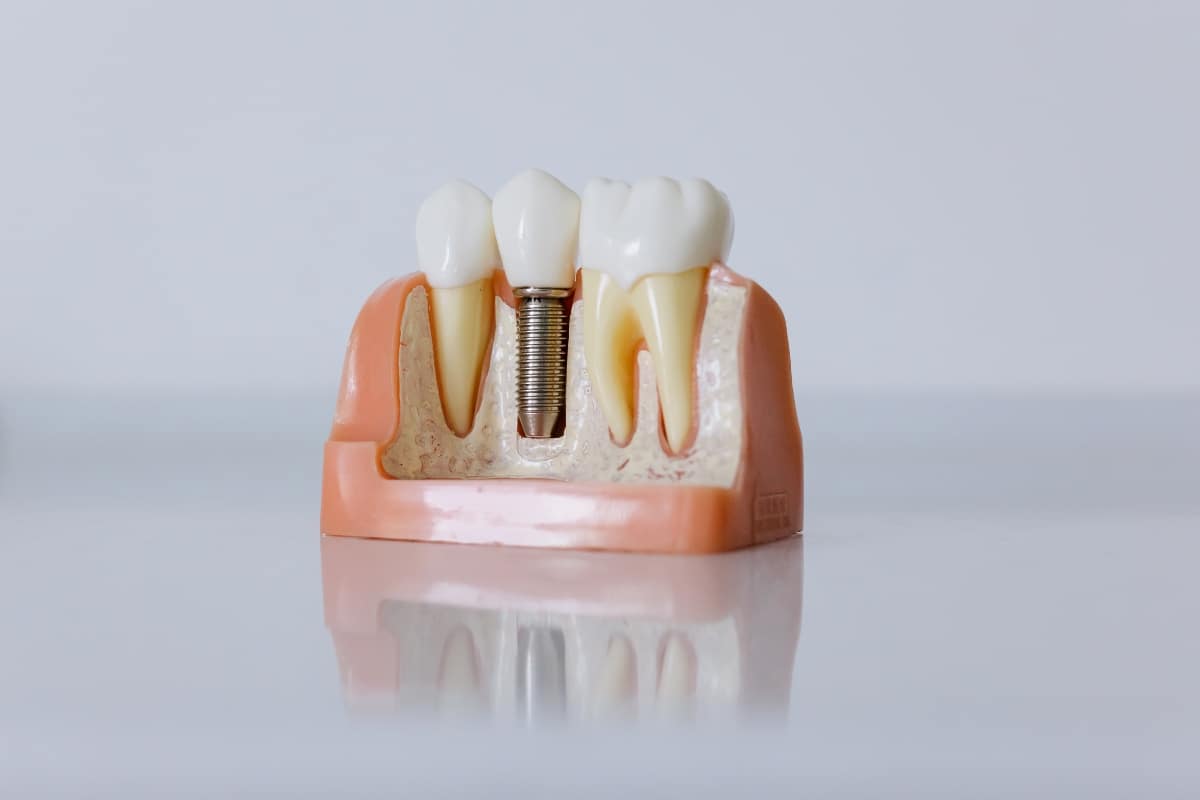
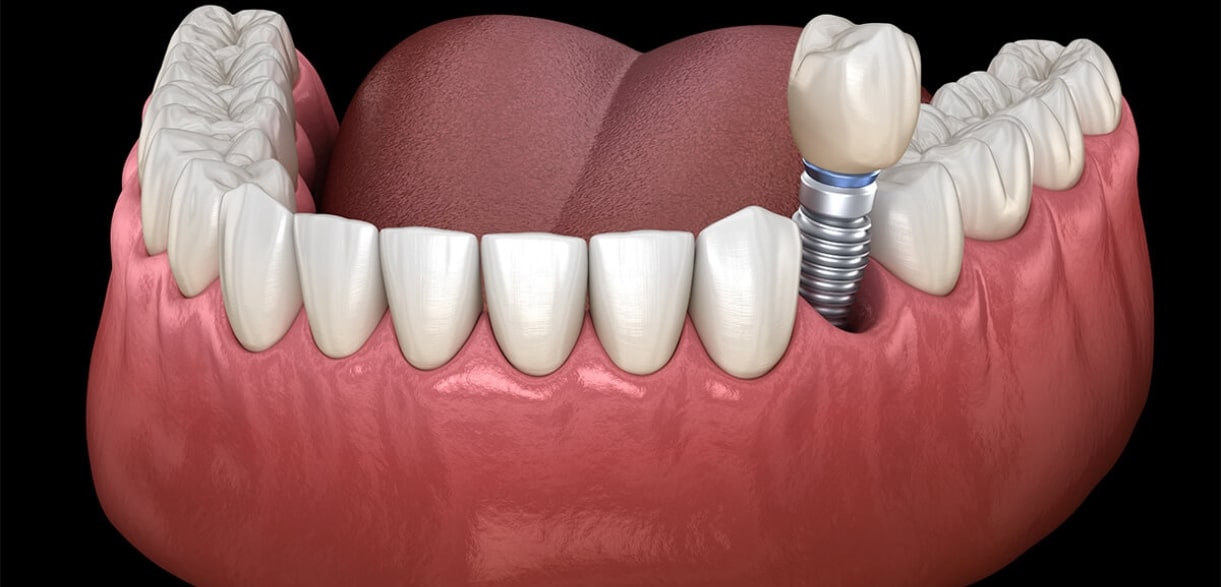
Unlike dentures or bridges that simply rest on your gums or anchor to neighboring teeth, implants are rooted in your jawbone. A small titanium post is placed in your jawbone, acting as an artificial tooth root.
Over time, your bone fuses with this post, creating a sturdy foundation for a crown that looks and feels like a natural tooth.
The Science Behind Their Longevity
Dental Implants in Reston aren’t just a cosmetic upgrade; they’re a structural one. The secret behind their impressive lifespan lies in a process called osseointegration. Once healed, the dental device becomes part of your jaw.
What Influences the Lifespan of Dental Implants?
There are several factors that might impact the lifespan of your dental implants. Here they are:
- Oral Hygiene: Daily brushing, flossing, and regular dental checkups are non-negotiable.
- Lifestyle Choices: Smoking and excessive alcohol can sabotage your dental device’s longevity.
- Health Conditions: Diabetes, osteoporosis, and autoimmune disorders may affect healing.
- Placement and Technique: Implants placed in areas with strong bone density tend to last longer.
- Bite Force: If you grind your teeth at night, your false teeth might get damaged. A nightguard can help.
How to Make Your Implants Last?
Here are some practical tips that can help you make your dental device last for a long time:
- Keep Up With Oral Care: Brush twice a day, floss daily, and don’t skip your dental visits.
- Watch Your Diet: Try to avoid food items that are hard, crunchy,and can damage your gums.
- Quit Smoking: Tobacco can slow healing and increase the risk of implant failure.
- Protect Against Teeth Grinding: Ask the dentist about a custom nightguard if you grind your teeth while sleeping.
- Stay Healthy: Manage chronic conditions and keep your immune system strong.
Are There Risks or Downsides?
Dental implants are widely considered a reliable solution for missing teeth, but like any surgical procedure, they come with potential risks. Infection at the implant site is one of the most common complications and can develop in the gum tissue or bone, leading to pain, swelling, or pus.
Nerve damage is another possible issue, resulting in numbness, tingling, or discomfort in the lips, tongue, or chin if nerves are affected during placement. There’s also a chance of injury to adjacent teeth or blood vessels, especially if the implant isn’t positioned correctly.
In rare cases, devices placed in the upper jaw can protrude into the sinus cavity, causing sinus problems. Additionally, if the bone fails to integrate with the post, it may become loose or even fail entirely.
Fortunately, most of these complications can be avoided by following the dentist’s aftercare instructions and attending regular checkups, ensuring long-term success for your dental implant.
What Does the Future Hold for Dental Implants?
Advances in dental technology continue to push the boundaries. New materials, improved surgical techniques, and better imaging mean today’s implants are more reliable than ever.
If you’re looking for a tooth replacement that feels natural, stands the test of time, and helps you smile with confidence, Dental Implants are hard to beat. While no one can guarantee they’ll last forever, they can easily outshine other options with the right care.
Are you ready to get back your smile? Schedule a consultation today!