How to Extend the Life of Your Dental Crowns with Proper Care?

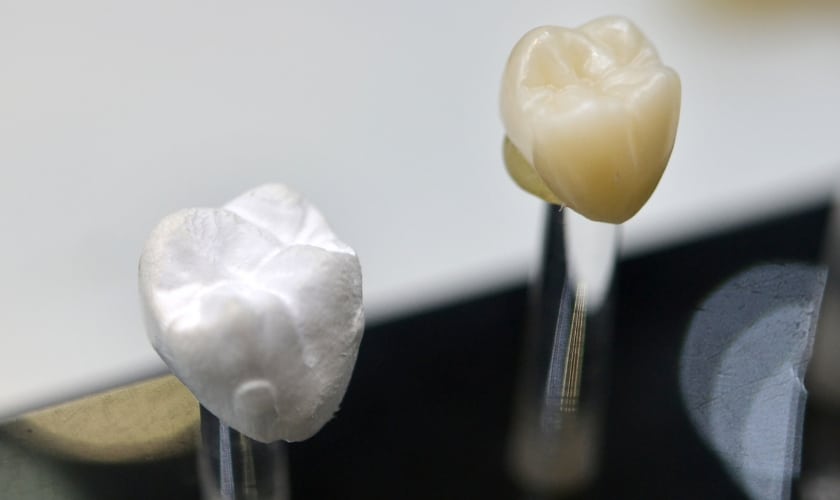
Feeling confident about getting your dental crowns? You might assume it’s smooth sailing from there once a crown goes in. Like any other dental device, they need proper maintenance and care. Making them last will only help your oral well-being in the long run. If you need advice, a dentist can provide you with professional guidance.
Read this blog to learn how to extend your dental device’s life as long as possible.
The Science Behind Crown Longevity
Research shows that most dental crowns last between 5 and 15 years, but with proper care, many reach the 20-year mark or beyond. They are made from various materials like porcelain, ceramic, metal, or a blend. Each has strengths, but all benefit from these strategies:
- Consistent oral hygiene
- Mindful eating
- Regular dental checkups
Daily Habits That Make or Break Your Crowns
Here are some daily habits that might affect the lifespan of your dental crowns.
Brush Like a Pro
Use a soft-bristled toothbrush to avoid scratching porcelain or ceramic surfaces. Opt for non-abrasive toothpaste. Whitening pastes can be too harsh and may dull the crown’s finish. Brush twice daily, making gentle, circular motions.
Floss Without Fear
Flossing removes plaque and food particles from your gumline, protecting the tooth beneath your crown. Slide the floss gently rather than snapping it up and down. For tight spaces, consider floss threaders or water flossers.
Rinse Wisely
Alcohol-free mouthwash helps reduce bacteria without drying out your mouth or weakening crown cement. If you can’t brush right away, swish it in your mouth after meals.
Eat Smart
Avoid biting directly into hard foods like ice, popcorn kernels, or hard candies. Sticky foods can loosen your teeth’s shield over time. Cut up crunchy fruits and veggies instead of biting into them whole.
Avoid Bad Habits
Stop chewing on pens, fingernails, or using your teeth as tools. If you grind your teeth at night, talk to the dentist about a nightguard. Bruxism is a top reason crowns crack or fail.
What About Teeth Whitening Treatments?
Have you considered teeth whitening to brighten your crowns? Well, it won’t work. If you’re considering teeth whitening treatments, do it before getting a new crown. That way, the dentist can match the new one to your newly brightened smile.
Regular Dental Visits: Your Crown’s Best Friend
Have you been ignoring visiting the dental office? Regular visits allow your dentist to:
- Check for early signs of wear or decay around the crown’s edge
- Clean hard-to-reach spots
- Adjust your bite if the crown feels off
Catching problems early often means a simple fix instead of a full replacement.
Signs Your Crown Needs Attention
Even with the best care, they can sometimes run into trouble. Watch for:
- Sensitivity or pain around the crowned tooth
- Chips, cracks, or rough edges
- A loose or wobbly feeling
Lifestyle Tweaks for Long-Lasting Crowns
Sometimes, it’s the little things that add up to significant results. Try these simple changes:
- Drink water after meals to rinse away sugars and acids.
- Wear a mouthguard if you play contact sports.
- Limit sugary snacks and acidic drinks. They can weaken the tooth under your crown.
Why Crowns Fail And How to Avoid It?
Most crowns don’t fail because of what’s happening underneath. Decay, gum disease, or trauma can all shorten their lifespan. Your best defense is staying proactive with oral hygiene and checkups.
Ready to give your dental crowns the royal treatment? A dedicated dental professional will do everything possible to help you protect your natural teeth. See a dentist immediately if you need a checkup, advice on teeth whitening treatments, or have questions about your dental device.
Are you ready to protect your smile? Schedule a consultation today!