Is a Root Canal Necessary For Damaged Teeth?

Did you experience a sharp pain while enjoying your favorite snack? You might ignore it at first, thinking it’s just a fleeting sensitivity. But as days go by, the discomfort can grow, making every bite a challenge. There is a chance that your tooth pulp is completely infected, and you will need extensive dental procedures.
Read this blog to learn why a root canal might be inevitable for your damaged teeth.
What Exactly is a Root Canal?
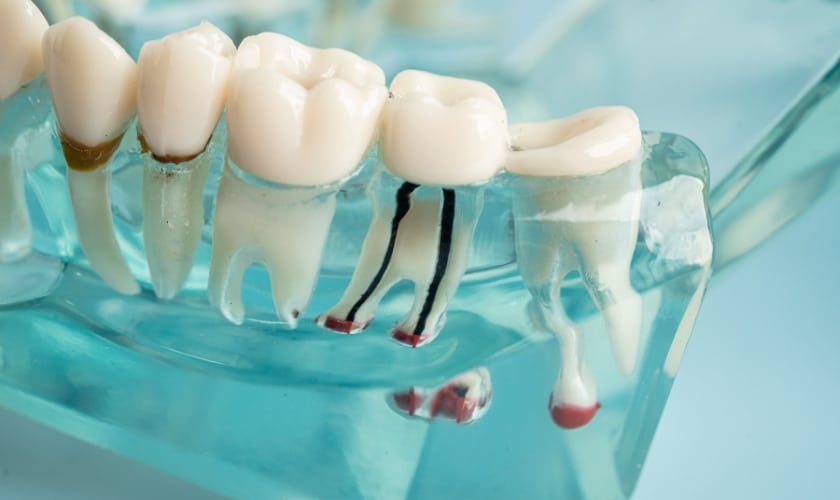
Does the thought of this procedure intimidate you? It’s a dental procedure designed to save a tooth that is severely damaged or infected. At the core of every tooth lies the pulp—a soft tissue filled with nerves and blood vessels.
When this pulp becomes inflamed or infected due to deep decay, cracks, or trauma, it can lead to excruciating pain and even abscesses. This treatment removes the damaged pulp, cleans the inner chamber, and seals the tooth to prevent further issues.
Why Might a Damaged Tooth Need a Root Canal?
A damaged tooth is not always a matter of concern. However, there are specific scenarios where a root canal therapy in Reston might be the best course of action:
- Deep Decay: Cavities that extend deep into the tooth can expose the pulp to bacteria, leading to infection.
- Cracks or Chips: A cracked or chipped tooth can pave the way for bacteria to invade the pulp.
- Repeated Dental Work: Multiple procedures on the same tooth can weaken it and irritate the pulp.
- Trauma: Even if there’s no visible crack, an injury can cause pulp damage over time.
Ignoring these signs can lead to severe complications, such as swelling, bone loss around the tooth root, or even systemic infections.
Signs That You Might Need a Root Canal
Wondering how you can tell if your damaged tooth needs a root canal treatment? Here are some red flags:
- Persistent pain that doesn’t go away.
- Sensitivity to hot or cold that lingers even after the source is removed.
- Swelling or tenderness in nearby gums.
- A darkened or discolored tooth.
- Pimples on the gums (a sign of an abscess).
If you’re experiencing any of these symptoms, it’s time to consult a dentist.
The Benefits of Choosing a Root Canal
While extraction might seem like an easier option, preserving your natural tooth has its perks:
- Pain Relief: This dental procedure eliminates the source of pain by removing infected tissue.
- Tooth Preservation: Keeping your natural teeth maintains your ability to chew and prevents neighboring teeth from shifting.
- Prevention of Infection Spread: Addressing the infection early can avoid complications in surrounding teeth and tissues.
- Cost Efficiency: While upfront costs might seem higher, saving your tooth is more economical than replacing it with implants or bridges in the long run.
What Happens During a Root Canal?
The procedure might sound daunting, but advancements in dental technology have made it relatively straightforward and comfortable:
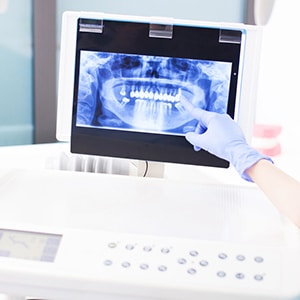
- Diagnosis: The dentist will take X-rays to assess the extent of damage.
- Numbing: Local anesthesia ensures you don’t feel pain during the procedure.
- Cleaning: They will remove the infected pulp and thoroughly clean and disinfect the inner chamber.
- Sealing: The cleaned chamber is filled with a biocompatible material and sealed to prevent reinfection.
- Restoration: Finally, a crown is placed over the tooth to restore its function and appearance.
How to Care for Your Tooth After a Root Canal
After undergoing a root canal, maintaining good oral hygiene is crucial:
- Brush twice daily with fluoride toothpaste.
- Floss regularly to remove plaque between teeth.
- Avoid chewing hard foods on the treated side until fully healed.
- Visit your dentist for regular check-ups.
These steps will ensure your restored tooth stays healthy for years to come.
A damaged tooth doesn’t have to mean doom for your smile. Root canals offer a safe and effective way to save teeth that would otherwise be lost. By addressing issues early and opting for this restorative procedure when necessary, you can preserve your natural smile and avoid more invasive treatments down the road.
Are you experiencing any discomfort in any of your teeth? Schedule a consultation to learn if you have ended this treatment.