Saving Your Tooth in Reston: When Root Canal Therapy is Better than Extraction?


It is always alarming when a toothache or some sudden pressure in your mouth interrupts a casual moment of grabbing a quick bite or talking with friends. Many people have become worried when a dentist finds an infection in a tooth since the idea of losing a tooth feels unsettling. Knowing your treatment options can help you feel more at ease and confident about what lies ahead.
Dentists or endodontists usually recommend treatment by either root canal therapy or extraction, based on your tooth’s condition. Both options yield a different outcome for your smile and daily comfort. In this blog, discover the process so that you know when saving the tooth is the healthier option.
What Makes a Root Canal Different From Extraction?
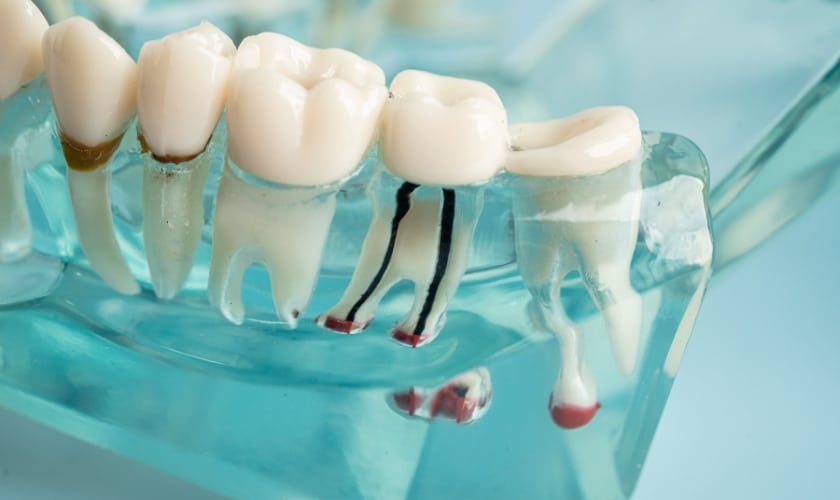
Extraction refers to the removal of the tooth from the mouth. A root canal works differently: it keeps the tooth in place by clearing the infection inside the root and sealing it. Many people prefer to save a natural tooth when possible, as it supports normal chewing and helps keep nearby teeth steady.
Root canal treatment steps include removing bacteria from the tooth, cleaning the root canal, and sealing it to prevent further infection. This way, the tooth can stay in place and continue working almost as it had previously.
Why Root Canal is the First Choice?
Root canals protect the natural root and maintain jaw stability. After this treatment, patients can chew food normally without changes. They also appreciate how the treated tooth often feels almost like their natural teeth.
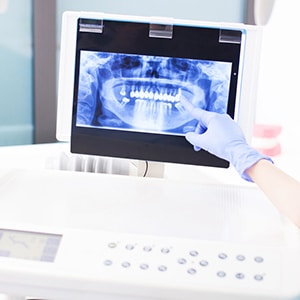
Whether you prefer extraction or root canal therapy in Reston, VA, it is always advisable to follow your dentist’s guidance. A proper examination, along with X-rays and an uncomplicated talk with your dentist, will narrow down the best course of action.
When is Tooth Extraction Necessary?
Extraction may be indicated when the tooth is badly fractured, highly decayed, or cannot support a crown. If the infection has destroyed the tooth beyond repair, then the tooth may not be saved. Under those circumstances, dentists help guide patients to safe, healthy options for restoring chewing function and comfort.
Why Saving the Natural Tooth Matters
A natural tooth can maintain your normal bite strength better than implants or dentures. It stops nearby teeth from shifting into open spaces. A root canal gives you a chance to keep your natural tooth instead of losing it.
People often notice that after the root canal, things like eating a soft sandwich, the warmth of drinks, or simply chatting during meetups are very much the same as before. This is why root canal therapy is often the option if the tooth structure is strong enough to save.
When Is a Root Canal the Better Choice?
When the infection is confined to the tooth and does not affect its outer structure, a root canal is often preferred. If there is still healthy support around your tooth’s root, then saving the tooth will keep your bite strong. Local dentists can recommend this route if they find the tooth can tolerate the treatment.
This is also a good option for those who would like to avoid changes in occlusal alignment. Because the space created by extraction will be open, much work is usually needed afterward to restore the site. When possible, treating the infection and retaining the tooth offers a far more natural outcome.
Choosing the Healthiest Path to Your Smile
A healthy smile is about having strong, stable teeth that support you throughout your day. If the outer structure of your natural tooth is strong, a root canal gives you a chance to keep it and avoid changes that come along with losing a tooth. In extremely severe cases of infection, extraction might be the safer choice. If you are experiencing soreness, temperature sensitivity, or pressure in one of your teeth, then this is the perfect time to contact us.
Looking for root canal therapy near you? Our team at Expressions Dental Care Reston will walk you through all treatment options and keep you comfortable throughout. Call us today to book your appointment and take the first step toward long-lasting oral health. The right choice for you can be made clear through a simple exam and a conversation with a trusted dental team.
FAQs
- What symptoms suggest I may need a root canal?
Your tooth may feel sore when chewing, sensitive to warm or cold drinks, or you may notice swelling near the gum. These signs often indicate an infection within the tooth. A dentist or endodontist will confirm the issue with an exam. - Are the steps of root canal treatment painful?
Most people feel only mild pressure during the procedure. The area is fully numbed. After treatment, some soreness may occur for a short time. Many people return to regular routines soon. - How long does a treated tooth last?
A tooth that receives proper care can last many years. A crown may be placed to strengthen it. Regular brushing, flossing, and checkups help maintain it. - When is tooth extraction the only option?
Extraction is needed when the tooth is cracked below the gum line or too damaged to hold a filling or crown. Your dentist will explain why saving it is not possible. - How long does a root canal take?
Most procedures take one or two visits. The time needed depends on the number of roots and the level of infection. - Can a root canal stop my tooth pain?
Yes, removing the infection inside the tooth often brings fast relief. Pain linked to biting or temperature changes usually improves soon after treatment.