Is Teeth Whitening in Reston Safe for Sensitive Teeth?

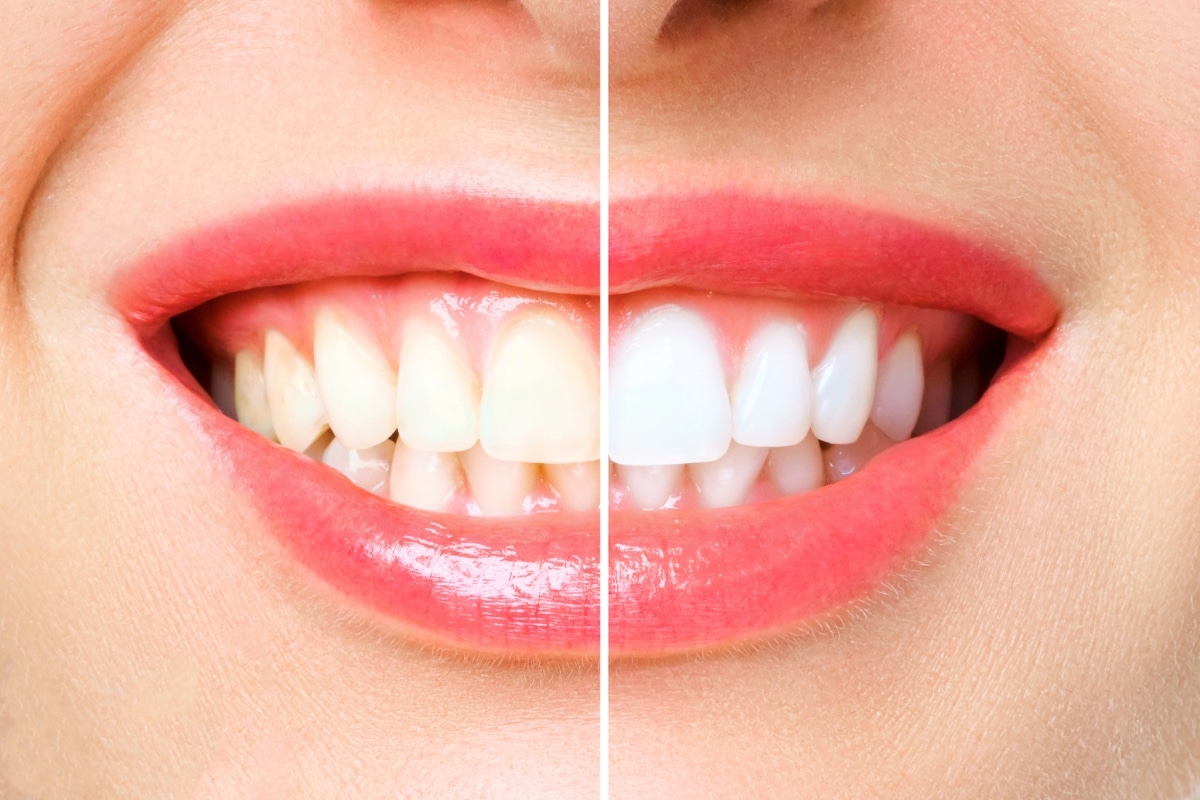
If you want to brighten their smile but have sensitive teeth, you may wonder, “How safe is teeth whitening for me?” It’s quite normal to experience a little discomfort or pain during whitening treatments. However, it doesn’t mean you have to give up your goal of a brighter smile. This blog will focus on how whitening teeth works, whether it is safe for sensitive teeth, and how to make it as comfortable as possible.
Understanding Teeth Sensitivity
Before whitening, the first step is to understand tooth sensitivity. It is caused by exposure of dentin, a sensitive and softer layer that is typically protected by enamel. When tooth enamel wears down, it becomes sensitive to hot, cold, and sweet foods.
If you’re concerned about sensitivity before teeth whitening in Reston, keep in mind that not all treatments are the same. Dentists have access to products designed to minimize sensitivity and can help you find the safest choice for your situation.
Things To Know About Teeth Whitening
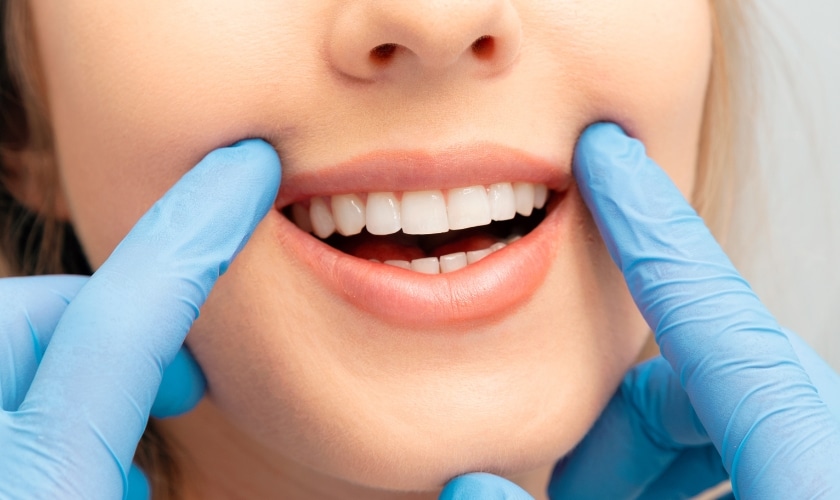
Good news if you’re living in Reston! There are numerous acceptable teeth whitening alternatives available to you. Whitening treatments are essentially harmless when performed by a professional. Whether you choose at-home trays or an in-office procedure, the process can help brighten your smile without causing unnecessary harm to sensitive teeth.
When done professionally, teeth whitening in Reston can be customized to your needs. Reston dentists are prepared to respond to your sensitivity and discomfort levels and adjust the strength of the whitening solution to your comfort levels. The discomfort is avoidable, and proper care can be taken to ensure a lighter shade is attained.
Minimizing The Sensitivity Associated With Whitening
While most professional teeth whitening procedures are safe, sensitivity can still occur. Here are a few ways to minimize discomfort:
- Choosing a gentle whitening solution: In the market, there are whitening gels designed to target sensitive areas. These gels are less abrasive, and their whitening ingredients are less irritating.
- Getting a fluoride treatment: A stronger enamel coating is one of the benefits fluoride offers. It’s less sensitive, and dental offices provide fluoride treatment as an option before and after whitening.
- Avoid acidic foods and drinks: After whitening, avoid acidic foods and drinks as they can increase sensitivity. Rinse your mouth afterward and stick to water or less acidic beverages for a while.
Why Choose Professional Whitening Over At-Home Whitening
When deciding between at-home and professional whitening treatments, each has pros and cons. Nevertheless, professional teeth whitening is generally effective for people with sensitive teeth, and here is why:
- Stronger, controlled treatments: Dentists can use more potent whitening agents. They can control the whitening process and make adjustments, resulting in more effective outcomes without discomfort.
- Custom-fitted trays: Dentists provide custom trays to minimize over-bleaching and irritation.
- Faster results: In-office whitening is ideal for those seeking quick results. It is less likely to cause extra sensitivity.
Is Teeth Whitening Right for You?
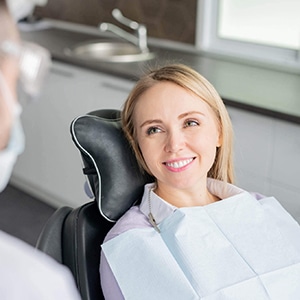
Teeth whitening in Reston, VA, can help you feel more confident in your smile, but you must consider your specific situation. Patients with sensitive teeth should contact their dentist for a comprehensive dental evaluation and a recommended treatment plan. With appropriate treatment, you can obtain a whiter smile while keeping your comfort in mind.
Keep Your Smile Bright and Comfortable
We know how valuable a healthy, bright smile is. If you are worried about tooth sensitivity, know that at Expressions Dental Care in Reston, we can help you identify the best option for your smile.
Contact us today to schedule a consultation and learn more about our teeth whitening solutions.
FAQs
Can whitening teeth make teeth more sensitive?
Yes, it is possible to experience some whitening sensitivity, but it is typically short-lived.
What are the most appropriate whitening treatments for the more sensitive teeth?
Products with lower concentrations of whitening agents and those formulated for sensitive teeth are best. Professional treatments may also help.
What is the longevity of teeth whitening?
Teeth whitening is effective for a period between six months and two years, depending on factors such as diet and oral hygiene.
Is it possible to whiten teeth if there are cavities?
Definitely, it is necessary to repair the cavities first before proceeding with the whitening to avoid new irritation or damage to the teeth.
What steps do I take to keep my teeth white after whitening?
Brushing your teeth regularly, using whitening toothpaste, and not consuming staining products like coffee and red wine will help keep your teeth white.
Can an at-home whitening kit give the same results as a professional treatment?
Home kits may work, but a professional treatment will give you a much stronger result and is generally safer if you have sensitive teeth.