TMJ vs TMD: What’s Causing Your Jaw Pain? Insights from Dr. Han

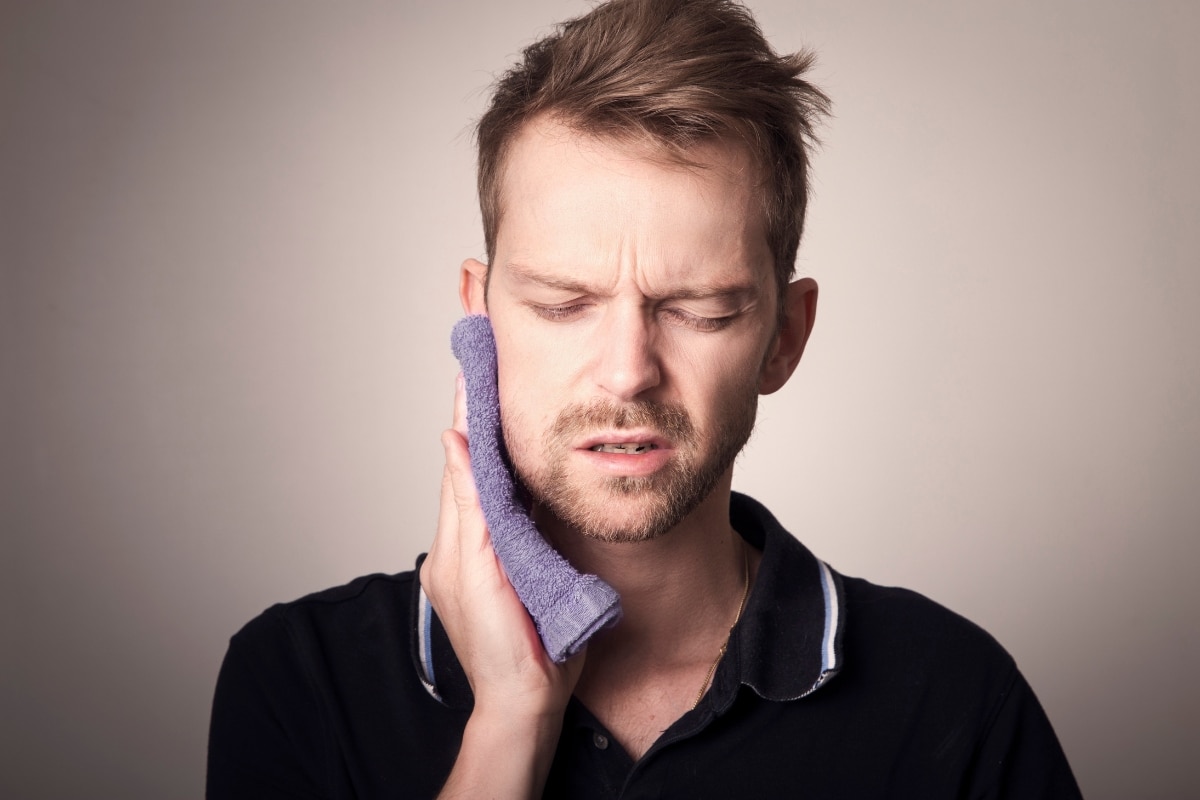
Jaw pain can distract you from your day-to-day work, your meals, and even your sleep. When you hear clicking, feel tightness around your ears, or wake up with sore chewing muscles, life might feel hard. But you’re not alone, and you’re not stuck. This guide deciphers the words that get mixed up, outlines the usual causes of jaw pain, and provides effective measures you can take before symptoms get out of control.
TMJ vs TMD – what the terms mean
Your TMJ is the temporomandibular joint—the hinge on your jaw and skull. TMD is a group of conditions that affect the joint and the muscles and tissues surrounding the joint. Think of TMD as the diagnostic category, not the joint. More than 30 related disorders are included in the TMD umbrella, say dentists in Reston. Another interesting fact is that joint sounds without pain are common and usually don’t need treatment.
TMD is widespread; an estimated 5–15% of adults will have it at some point in time. Women are more commonly affected, and symptoms can come and go.
Why your jaw hurts: the usual suspects
Overworked jaw muscles (parafunction)
Daytime grinding and nocturnal bruxism overtax the chewing system. More than 70% of dentists indicate that patients who grind and clench more experience jaw pain in the morning.
Joint strain and disc alteration
The small cartilage disk of the TMJ may shift or become inflamed. That can lead to limited opening of the jaw, or painful clicking—especially after prolonged dental work, large yawns, or tough-to-chew foods. (Note: painless clicking is usually okay.)
Arthritis and inflammation
As in other joints, the TMJ may become osteoarthritis or get inflammatory flare-ups that are deep, dull, and activity-induced.
Habits and posture
Extended use of screens, head-forward posture, chewing gum, nail biting, and forceful exercise with tooth-to-tooth contact all increase stress on the jaw muscles.
Symptoms you should keep an eye on
Temple headaches, ear pain, jaw pain, pain on chewing, or limited mouth opening must be investigated. They are most frequently reported in clinical overviews of TMD and heal faster with early, traditional treatment.
What usually heals first (and why “less is more”)
Proven methods are emphasized as your first course of action. These simple tips do the trick for most, and intervention treatments are rarely needed. Start here:
- Plan a diet rich in soft foods; avoid hard, sticky, or wide-mouth foods.
- Gentle jaw stretching
- Brief use of OTC (over-the-counter) anti-inflammatory medicines.
- A custom-made night guard prevents mouth clenching.
- Stress management, and keep your teeth apart.
These treatments protect tissues, such as your muscles and joints, as they adapt. If symptoms linger, adjunctive treatments—physical therapy, trigger management, or medication are employed after a complete exam.
Dr. Han’s approach in Reston
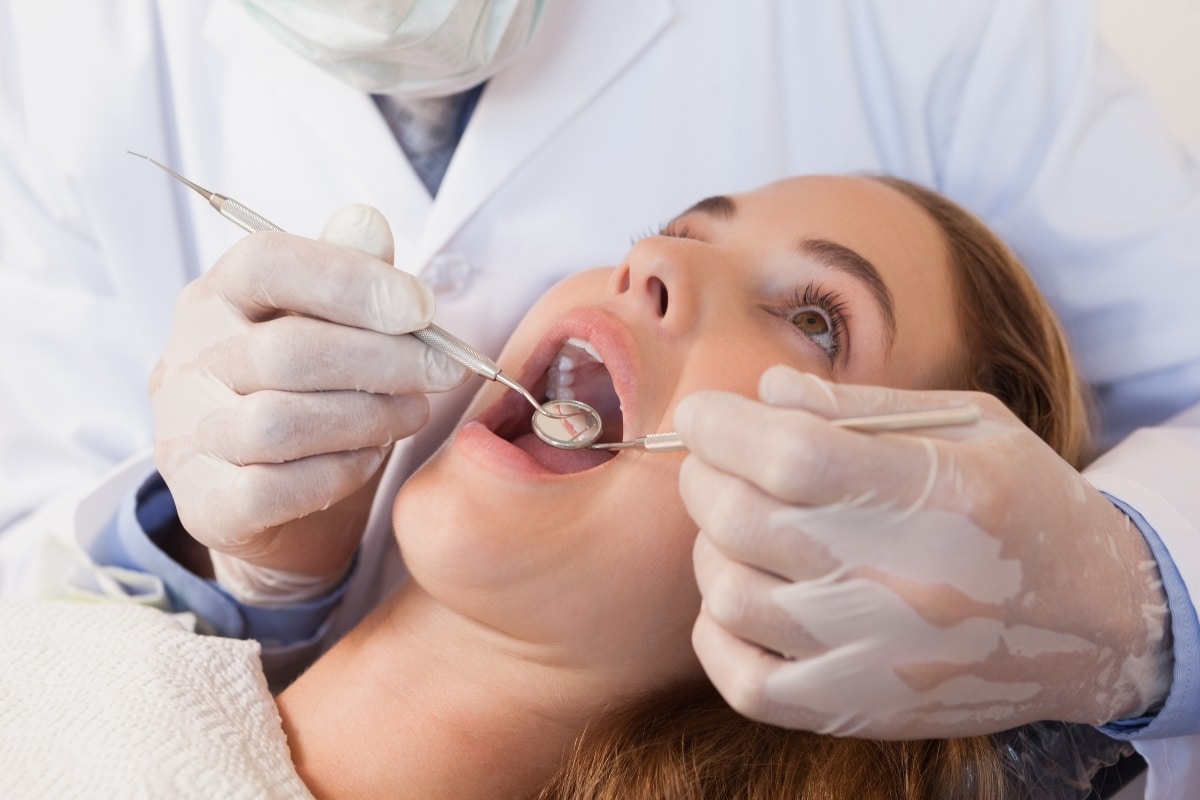
At Expressions Dental Care, Dr. John Han evaluates your bite, muscle patterns, and joint function, then tailors conservative care to your goals and daily routine. If you’re searching for a dentist in Reston for persistent jaw pain, you’ll appreciate a visit that focuses on comfort, practical coaching, and step-wise treatment—not quick fixes.
Don’t sit with pain in the jaw. You can improve your condition with thoughtful self-care and using protective appliances when necessary. Make an appointment for a TMD evaluation with Dr. Han at our dental care team in Reston for an oral care plan that suits your lifestyle.